How To Install Vnc On Red Hat 7 Iso
Installing and Working With Cent. OS 7 x. 64 and KVM . To check if the kernel has virtualization support, run this command: egrep '(vmx.
Red Hat Certified System Administrator (RHCSA) Complete Video Course: Red Hat Enterprise Linux 7.
VMX is the Intel flag, and SVM is the AMD flag. Install Dependencies. Next, well want to get some dependencies going. Since You’ve already updated your OS to the latest patched version, we can install the software. I’ll spare you all the drama in the pre, as dependencies put mine at 1. KVM and associated tools installed: yum - y install kvm virt- manager libvirt virt- install qemu- kvm xauth dejavu- lgc- sans- fonts virt- viewer. What are you installing?
Here are some explanations. KVM: A full virtualization solution for Linux on x. Intel VT or AMD- V). Virt- Manager: A desktop user interface for managing virtual machines through libvirt. Libvirt: A toolkit to interact with the virtualization capabilities of recent versions of Linux. Virt- Install: A command line tool for creating new KVM container guests using the . It uses NAT to translate the packets across the interfaces.
- Hello, Just installed CentOS 7 on my Virtual machine and realized that, Firewalld is bit complicated as I am using iptables firewall from many years. So decided not.
- Select an image. Ubuntu is distributed on two types of images described below. Desktop image. The desktop image allows you to try Ubuntu without changing your.
- Steps to install Virtual Box in Windows 7: 1) Go https://www.virtualbox.org/wiki/Downloads 2) Download Virtual Box (latest version) for Windows hosts x86/amd64 3.
- At WWDC 2017 Apple announced iOS 11, and with it a slew of space-saving features for smaller devices. Good on Apple for making 32GB the smallest storage in its iOS.
- When thinking about virtualization, everybody immediately thinks about VMWare. And it must be said, the product they offer is very decent but also comes with a.
We’ll have to set up our interfaces to act as usable devices for KVM. First step is to allow the kernel to do forwarding: echo . This allows traffic to be routed across the interface. Start by looking at /etc/sysconfig/network- scripts/ and see whats listed: ls /etc/sysconfig/network- scripts/ifcfg- em. Team ifup ifup- eth ifup- isdn ifup- post ifup- sit ifup- tunnel network- functions ifcfg- lo ifdown- eth ifdown- isdn ifdown- routes ifdown- Team.
Requirements. CentOS 7.1 Bootable DVD ISO Image http:// Installation of CentOS 7.1 Dual Boot with Windows 8.1. Once you have burned CentOS DVD.
Port ifup- aliases ifup- ippp ifup- plip ifup- ppp ifup- Team ifup- wireless network- functions- ipv. Team. Port init. This lets me know that I’ve got an interface on/etc/sysconfig/network- scripts/ifcfg- em. I’ve only got one physical interface on the device I am working with. We’ll edit this file and make some changes (if you don’t know how to use VI, read this): vi /etc/sysconfig/network- scripts/ifcfg- em. My initial file looks like this: HWADDR=. We’re also going to add the BRIDGE variable, pointing to a file we’re going to make next.
We’lll edit the /etc/sysconfig/network- scripts/ifcfg- br. DEVICE=br. 0TYPE=Bridge. Top 10 English Video Songs. BOOTPROTO=static. ONBOOT=yes. IPADDR=xx. NETMASK=xx. xx. xx. GATEWAY=xx. xx. xx.
DNS1=xx. xx. xx. xx. Go ahead and save that file so that the system can read it. Services Up. Next up, let’s start the libvirtd service: systemctl start libvirtdsystemctl enable libvirtd. Next, lets reboot the machine. That will reboot the system. If you are logged in via a SSH session, you’ll get booted. KVM Up. Now that we are back up, let’s make sure that KVM is happy and added itself properly to our modules: lsmod.
I don’t know about you, but I am SSH’d into this box, so I KNOW it’s up. Lastly, we can query qemu and see if we can hit KVM: sudo virsh - c qemu: ///system list Id Name State—————————————————- This looks good on my end!
Let’s get on with it! Section B: Configuring and Using KVMOur First Virtual Machine. Before we make a VM, let’s query KVM to see what kind of templates that we have.
You can query KVM like this: virt- install - -os- variant=listwin. Microsoft Windows 7vista : Microsoft Windows Vistawinxp. Microsoft Windows XP (x. We don’t want to disable SElinux, because that is what the . If you intend on putting the virtual machines anywhere other than /var/lib/libvirt, you’ll want to run the semanage utility on the directory where we want the VM images stored. In my case, I have a directory at /opt/, so I’ll run it on /opt/3.
TB/Virtual. Machines. First, create the directory: mkdir - p /opt/3. TB/Virtual. Machines. Then, set SELinux: semanage fcontext - a - t virt. You’ll want to open up the port for VNC connections to console on the virtual machines.
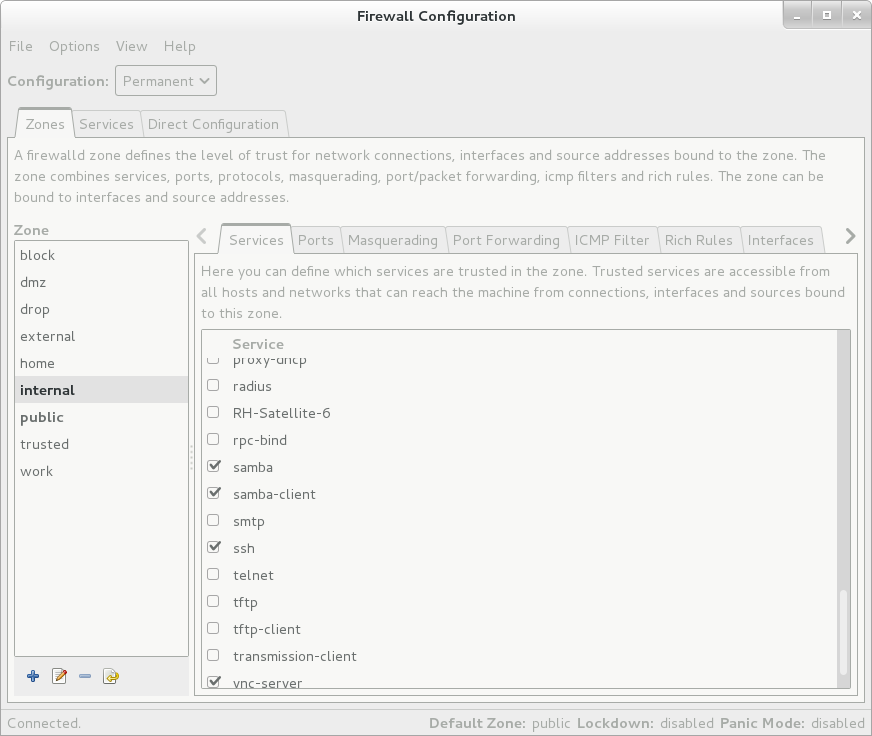
You can do that with this command: firewall- cmd - -zone=public - -add- port=5. Thats going to open port 5.
TCP up to VNC to console. Create the Virtual Machine. We’ll use the . Here are some of the options to use with virt- install: –connect # Key to connect to a server, well use the value . Where x in the argument, pass an integer, it will be the size in gigabytes.–graphics # How to display the console of the virtual machine.
You can also gather your favorite options from the virt- install website. I took a gander at the website and came up with this for a Server 2. R2 machine (note I pre- staged the ISO file in /opt/ISO/: virt- install - -connect qemu: ///system - -graphics vnc,listen=0. NPGENERALS0. 1 - -ram=4. Ps2 Japanese Hack And Slash Games Ps4. ISO/Server. 20. 08.
R2. iso - -os- variant=win. Virtual. Machines/NPGNERALS0. This gave me some nice . Waiting for installation to complete. I’m using OSX Yosemite. I could not use the built- in VNC, nor could I use real.
VNC. Fortunately Chicken VNC worked just fine. Here’s a screenshot connecting into this Server 2.
R2 machine: From there, you can run your install routine. Considerations and Management Commands. Notes about VNC/Firewall- CMD/SSHFrom this point, you can get fancy with the virt- install man page and install a linux host or what have you. There is something to be said about the firewall, VNC, and new machines. Each machine you create increments a port up from 5. The first VM will be 5. Your firewall will have to be either opened on those ports as I demonstrated earlier, or you need to tunnel the traffic via SSH.
You can always find the VNC port of the guest machine by this command: virsh vncdisplay . Namely you can. Get a list of the guests with . I hope I have taken into consideration everything I needed. Feel free to drop me an email if something is awry.